
The Ever-Increasing Foreign Ownership of Australian Agriculture
Written by: Duncan B. on 22 March 2026
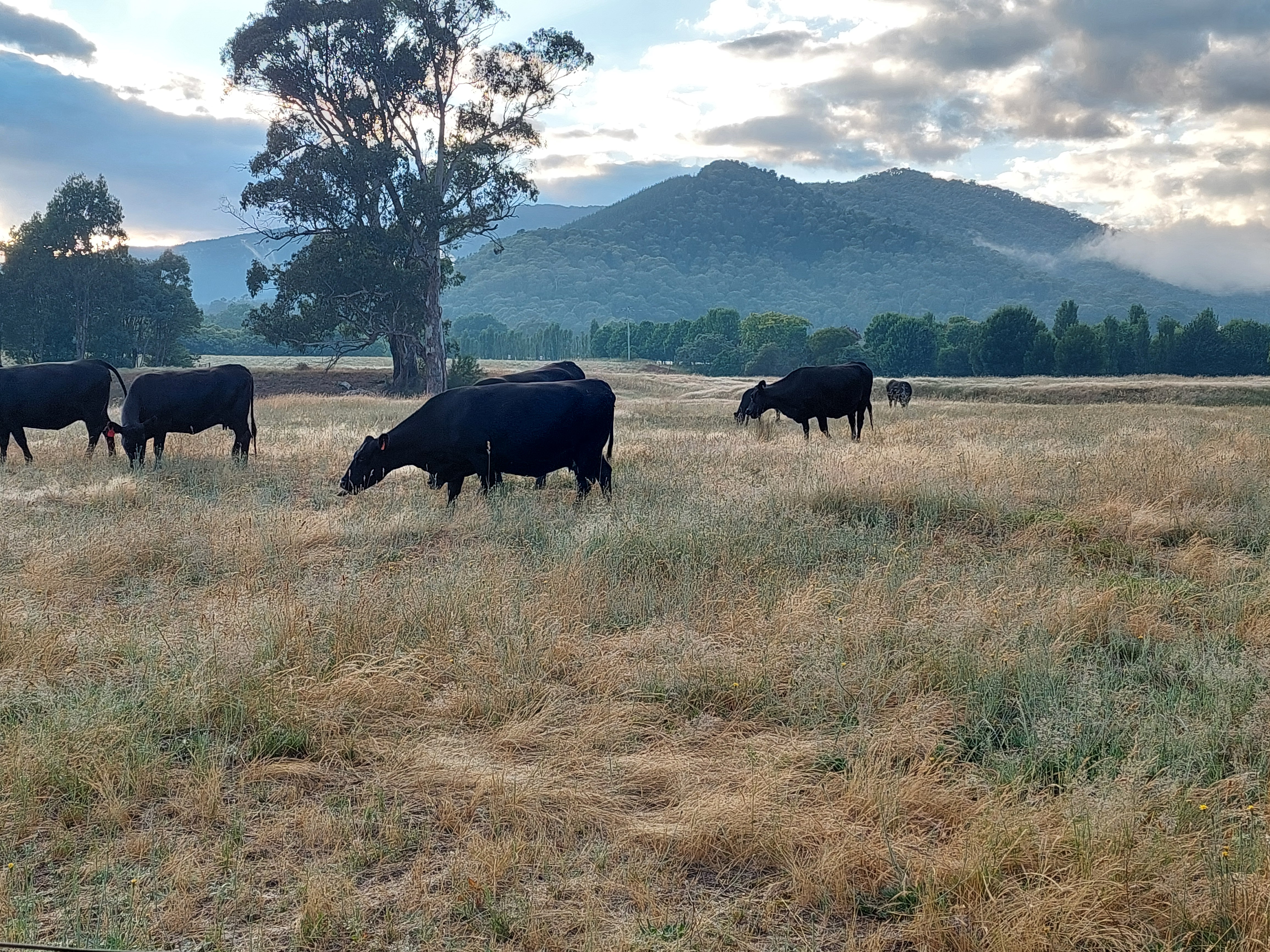
(Photo supplied)
The foreign takeover of Australia’s farmland, water and the supply chain linking farmers to consumers continues.
The Register of Foreign Ownership of Australian Assets report for 2024-25 shows that the total area of land in Australia with a component of foreign control increased in the past year from 49.12 million to 50.26 hectares as at June 30 last year. This is an increase from 12.7% of foreign-controlled land in 2023-24 to 13% in 2024-25. (Much of the land controlled by foreign interests is land leased from state or territory governments.)
The Northern Territory has the highest proportion of foreign-controlled land with 14.75 million ha or 27.8%. Tasmania comes next with 362,000 ha or 24%. The UK, China, Canada and the US are the four biggest holders of land in Australia, although Canada has the biggest share of investments in Australian agriculture measured by value.
The story is the same with water. Foreign ownership of Australian water entitlements in 2024-25 increased to over 5000GL, about 13% of the total. Canada, the US, the UK and China are the four biggest holders of Australian water, with Canada controlling 1066GL.
The supply chain which moves agricultural products from the farm gate to the consumer is also heavily foreign dominated. The dairy processing industry recently saw even greater concentration of ownership in foreign hands with the sale by New Zealand processor Fonterra of its Australian operations to French-owned Lactalis.
This leaves Lactalis and the Canadian-owned Saputo as the two major foreign players in Australian dairy processing. Bega, Norco and Bulla, plus some smaller operators are still Australian-owned.
The meat industry in Australia is dominated by Brazilian-owned JBS, and Teys Australia which is owned by the US company Cargill. Other foreign-owned companies are Chinese-owned Kilcoy Global Foods, Japan-owned NH Foods Australia, Bindaree Food Group which is 51% Hong Kong owned and Minerva Foods Australia/Australian Lamb Company which is a joint venture between Brazil-owned Minerva and the Saudi Agriculture and Livestock Investment Company.
JBS and Cargill also control a large slice of Australia’s beef feedlots where cattle are fed on grain instead of grazing in paddocks. JBS leases extensive feedlot operations from Australian company Rural Funds Group. Teys Australia has its own feedlots in Victoria, New South Wales and Queensland. The Japanese company NH Foods Australia also has its own feedlots in Australia. Having their own feedlots enables the meat companies to secure their supply of cattle, manage risk and tighten their hold on the market through vertical integration.
Other foreign companies have interests in various areas of Australian agriculture such as Canadian-owned PSP’s investments in cotton farms and the cotton gins where the cotton is processed.
Australian workers, whether in the cities or the country, and farmers must unite to oppose the continuing take-over of Australia’s agriculture by foreign companies.
Print Version - new window Email article
-----
Go back
Independence from Imperialism
People's Rights & Liberties
Community and Environment
Marxism Today
International
Articles
| Can the credit bubble be stopped from bursting? |
| Manufacturing industry does not need AUKUS nuclear subs - independence for Australia |
| Report on Boorloo/Perth’s Anti-War Week |
| The U.S. government, the Pentagon and big tech: key components of U.S. imperialism. Part 3 |
| British join the DARC side in push to militarise Space |
| British imperialism: sinking below the waves |
| Australians mobilise to Cancel AUKUS and End the US Alliance |
| International Day of Peace action in Port Adelaide |
| Trump and Xi meeting will not solve the crises inflicted on the people |
| Visiting US Congressman reveals a few home truths |
| Pauline Hanson is no friend of Farmers |
| The U.S. government, the Pentagon and big tech: key components of U.S. imperialism. Part 2: The Pentagon and Big Tech’s intimate relationships. |
| Notes on Barbarism – The Manifestation of Barbarism with the Decline of US Imperialism |
| BOOK REVIEW: MUSKISM - A GUIDE FOR THE PERPLEXED |
| Marles, you pathetic lackey - No more US military in Australia! |
| Break the hold of the US on the Australian state |
| The Henderson warfare target |
| Race to colonise the Moon sees more space war planning |
| AI – the rush to a Royal Commission in SA |
| Party submission to AUKUS public inquiry |
-----